In partnership with


Exercise feels good.
Or, if you’re in truly horrible shape, it probably won’t feel good at first.
But once you’re even slightly better than that, the feeling after a nice workout can be intoxicating.
Pleasant, energizing, even mood-lifting.
That makes a simple question hard to ignore: if exercise reliably makes us feel good and energized, could it be used as an antidote to conditions that make us feel the opposite?
Burnout might be one of those conditions.
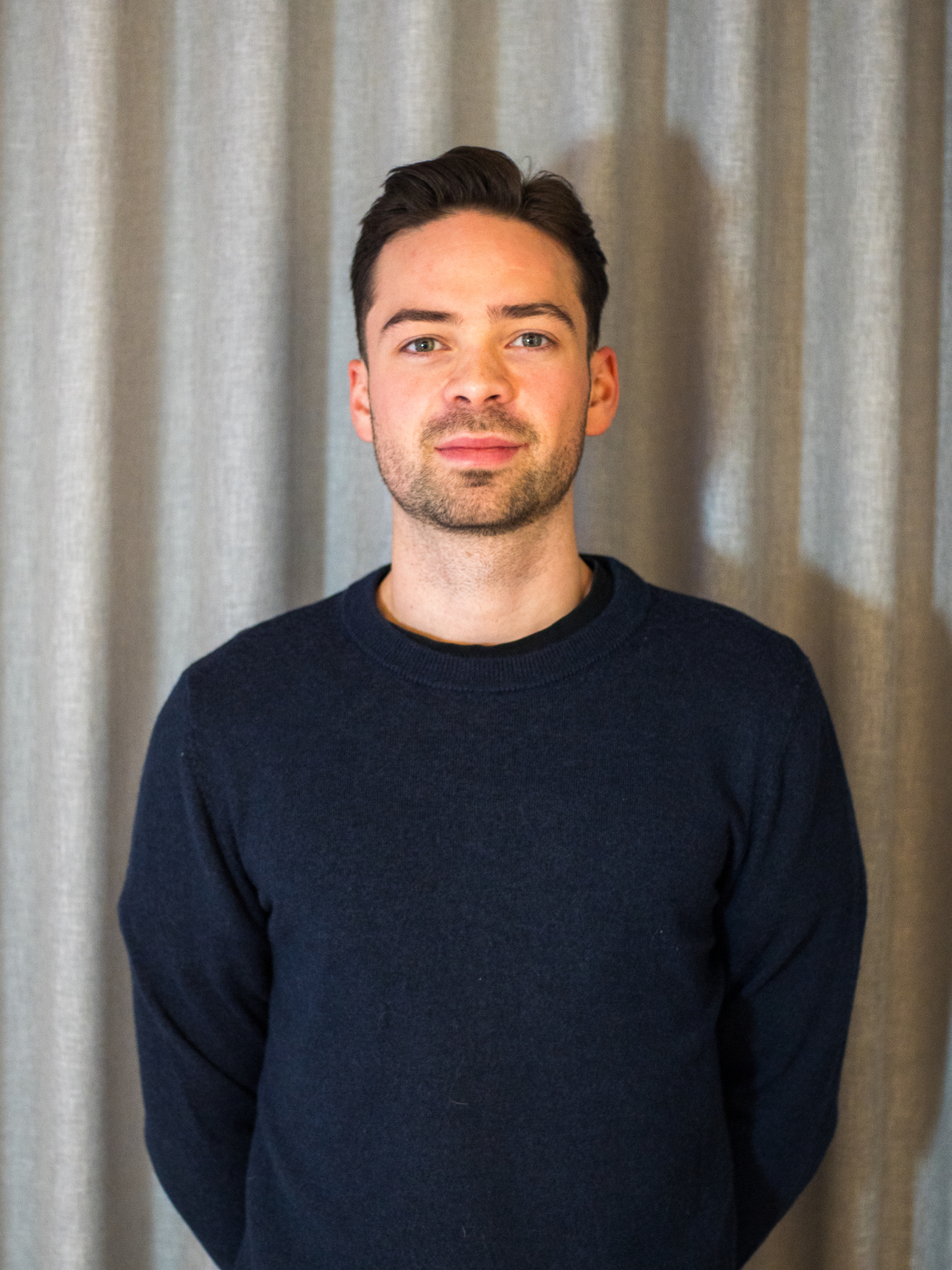
I'm Nicolas, and I help entrepreneurs and business leaders master their mental energy.
The headlines that actually moves markets

Tired of missing the trades that actually move markets?
Every weekday, you’ll get a 5-minute Elite Trade Club newsletter covering the top stories, market-moving headlines, and the hottest stocks — delivered before the opening bell.
Whether you’re a casual trader or a serious investor, it’s everything you need to know before making your next move.
Join 200K+ traders who read our 5-minute premarket report to see which stocks are setting up for the day, what news is breaking, and where the smart money’s moving.
By joining, you’ll receive Elite Trade Club emails and select partner insights. See Privacy Policy.
Today's newsletter
Takeaway:
🏋️♀️🏃➡️ Exercise regularly
Not just for your health and longevity, but as a practical tool to reduce burnout and sustain high performance at work.
The effects of exercise on burnout:
Today's study is a small intervention study by Gerber et al. 2013.
The authors wanted to test if exercise affected burnout.
Specifically, if a 12 week aerobic training intervention could positively affect symptoms of burnout.
The study included 12 men with burnout.
Participants were measured before and after the 12 week intervention.
To measure the effects of exercise on symptoms of burnout, a set of questionnaires were used:
· MBI (Maslach Burnout Inventory): Emotional exhaustion, depersonalization, personal accomplishment
· BDI (Beck Depression Inventory): Depressive symptoms
· PSS (Perceived Stress Scale): Perceived stress
· BFS (Befindlichkeitsskala): Mood (8 subdimensions)
The intervention was a 12 week period with 2-3 times weekly training at an intensity of 60-75% of max heart rate with a minimum of 17.5 kcal/kg weekly energy expenditure.
After the intervention, the authors could report a significant drop in measures of:
· Emotional exhaustion
· Depersonalization
· Depressive symptoms
· Perceived stress
And, additionally mood states also improved significantly from before to after the intervention.
How exercise affects burnout:
The authors mention a few possible mechanisms for why this study found such strong effects.
First, participants might have perceived exercise as a possible remedy against burnout, as other literature exists that shows how exercise can improve mood and depression.
And as we have seen many times in these newsletters, our perception and mindset has a huge effect on the strength of the routines and efforts we do.
Secondly, exercise is known to improve sleep quality, which alone could have helped with burnout symptoms.
There is also a possibility that the close contact to the trainers could have affected some scores positively.
It is also possible that reoccurring positive emotions related to exercise may have helped break negative thinking cycles.
And of course also physiological mechanisms might have explained the positive results.
For example, we know how exercise leads to a influx of positive brain chemicals, and based on our December focus, ww know how exercise improves neuronal mitochondrial health which has so many important roles, some of them closely affecting mood and energy levels which are two key factors of burnout.
👉Read more here
However, I must also mention some clear limitations of this study despite the huge effects observed.
Most important of these is the small number of participants.
With only 12 participants in the study, it's hard to conclude anything about the effect of exercise on burnout with absolute certainty.
And also, the study did not use a control group.
Most well-designed studies like this one would always include a control group who does not undergo the intervention in order to say that the change in measures observed between the first and the second test day is actually caused by the intervention, and not by any random effect.
What grabbed my attention this week?
Guys Im still all obsessed with toxins, how they influence our health and how much we are actually surrounded by them.
Seems like there is almost know escaping the..
So let me hear:
What can we learn?
It's obvious that for everybody following this newsletter, knowing that any habit can actually positively decrease symptoms of burnout is super useful.
I'm writing this newsletter for entrepreneurs, business leaders and other ambitious individuals who feel that their ambitions can sometimes lead them into symptoms of burnout.
Because I have been there.
So, the whole point is to identify routines and habits that can be beneficial for avoiding and managing burnout in the light of huge workloads. And exercise is definitely one of them.
Building an online business but can't land (consistent) clients?
You consume content. You learn strategies. You understand what to do.
You just can't make yourself reach out, post your offer, or name your price without self-doubt.
That's not a strategy problem. It's the limiting beliefs and suppressed emotions keeping your nervous system in freeze.
Bohus's free guide shows you how to break through the self-sabotage and fear of being seen holding you back to finally land your first clients.
👉Get the guide here
Feeling stuck?
Maybe you’ve tried a million different things—
all the productivity hacks and self-help advice.
Sometimes, it’s something less obvious that’s keeping you stuck.
My friend Jasir is an expert at helping you uncover what that is.
👉Try his free guide here
Articles used for this newsletter:
Gerber, M., Brand, S., Elliot, C., Holsboer-Trachsler, E., Pühse, U., & Beck, J. (2013). Aerobic exercise training and burnout: a pilot study with male participants suffering from burnout. BMC Research Notes, 6, 78. https://doi.org/10.1186/1756-0500-6-78
|
Until next time, Nicolas Lassen |
Disclaimer: The above is mainly based on the 1 article mentioned in the end of this newsletter, and aims to provide key takeaways and a condensed overview of its content. While the essence is drawn from the original articles, some parts have been simplified or rephrased to enhance understanding. Please note that we at, OptiMindInsights or any other potential writers or contributors to our summaries, do not accept responsibility for any consequences arising from the use of these summaries and/or newsletters as a whole. The information provided should not be considered a substitute for personal research or professional advice. Readers are encouraged to consult the original articles for detailed insights and references. The summary does not include references, but they can typically be found within the original publication. Always exercise due diligence and consider your unique circumstances before applying any information in your personal or professional life. We refer to the creative commons for reproducibility rights.
